


SPRINGFIELDS EDUCATION · HYDERABAD
Multiple Intelligences
Springfields uses a variety of activities inspired by Howard Gardner’s multiple intelligences framework.
In brief
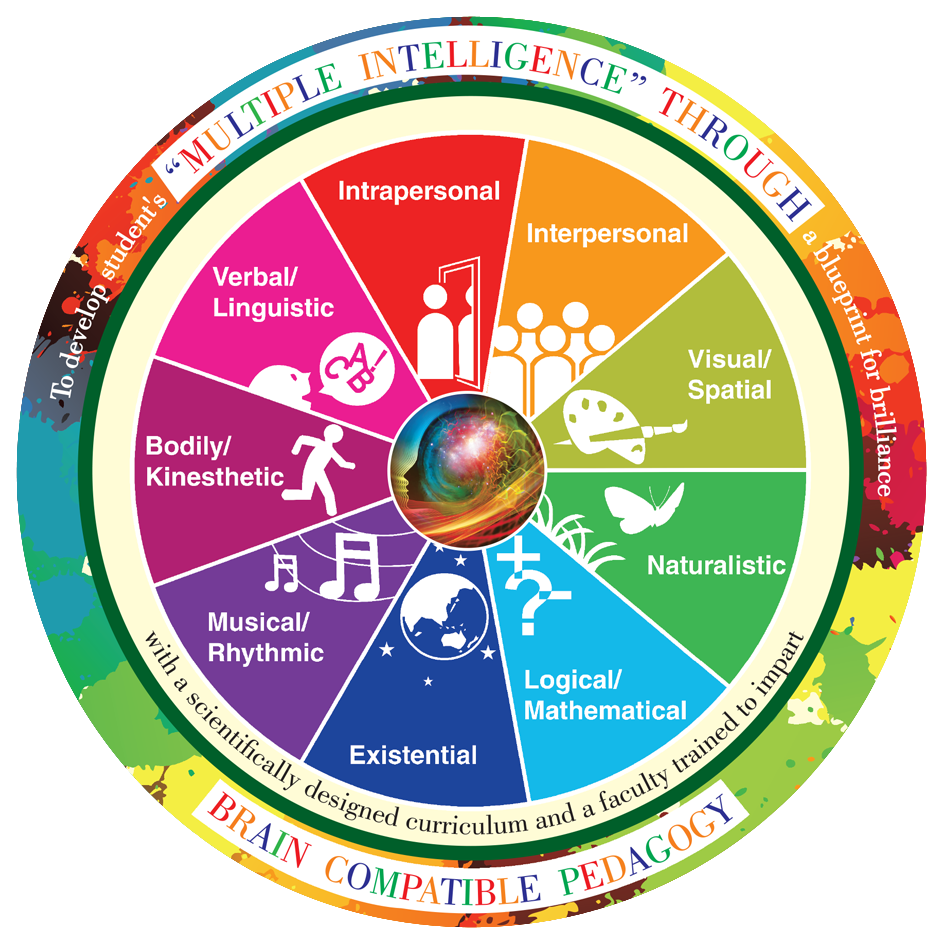
Springfields uses Howard Gardner’s multiple intelligences framework to describe varied ways of exploring a topic. Its published approach includes language, reasoning, nature, reflection, visual arts, music, movement and cooperation.
Multiple Intelligences
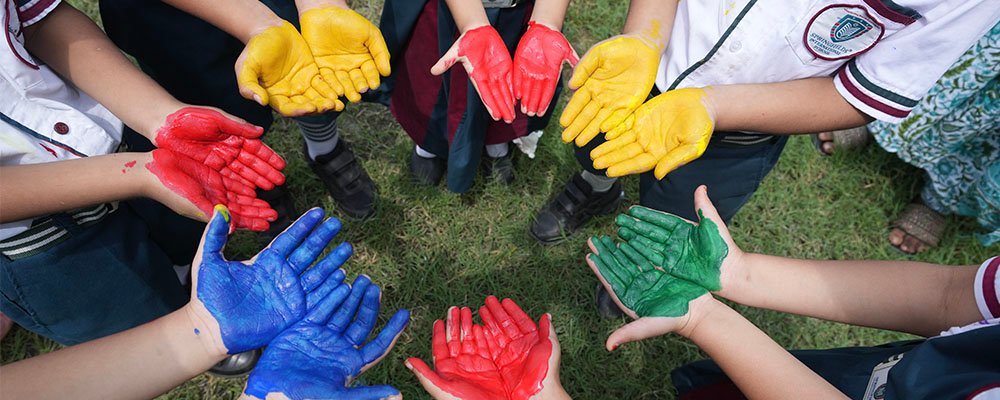
Eight ways to explore
Building character and competence
The theory of multiple intelligences is very intriguing and expands our horizon of available teaching/learning tools beyond conventional linguistic and logical methods (e.g. lecture, textbooks, writing assignments, formulas, etc.) that are currently being used across schools around the world. Developed by Dr. Howard Gardner, Professor of Education at Harvard University, it proposes eight different intelligences to account for a broader range of human potential in children and adults, as depicted in the Multiple Intelligence Wheel.
The Theory of Multiple Intelligence highlights the transformative way in which our schools are run. Our teachers are trained at regular intervals to present their classes in a wide variety of ways using cooperative learning, music, art and craft activities, role play, multimedia, field trips, inner introspection and much more, thus ensuring each of our children is presented the opportunity to learn in ways that are synchronous with their unique minds.
Explore the eight intelligences
01
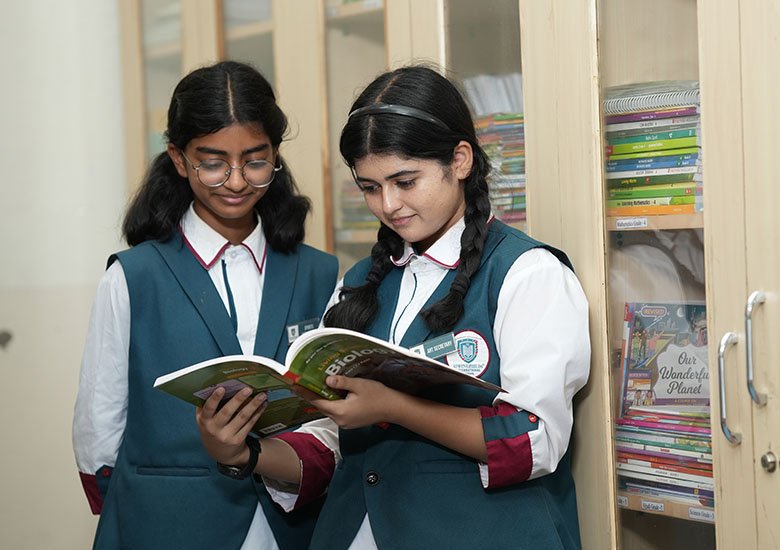
Verbal Linguistic
Communication skills are improved through creative writing, poetry, debates, public speaking, listening, storytelling, explaining, teaching, understanding the syntax and meaning of words.
02
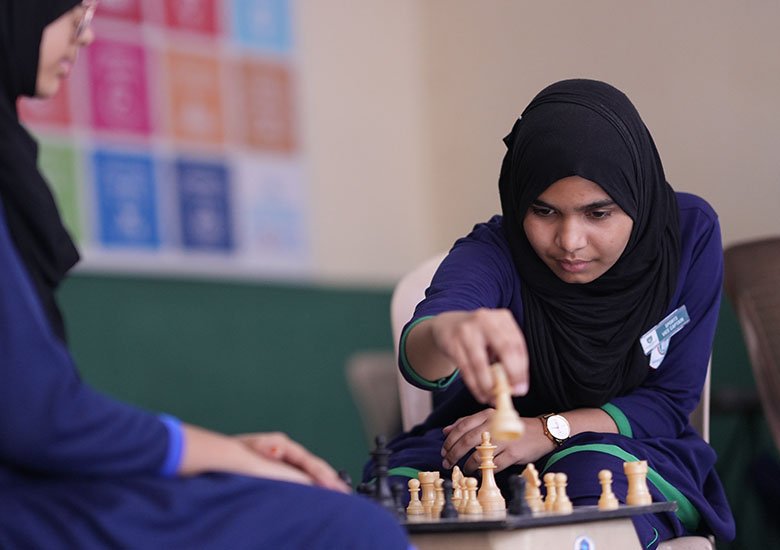
Logical Mathematical
Critical thinking skills are enhanced through problem solving, classifying and categorising information, working with abstract concepts to figure out the relationships, handling long chains of reason to make local progressions, doing controlled experiments, questioning and wondering about natural events, performing complex mathematical calculations, working with geometric shapes.
03
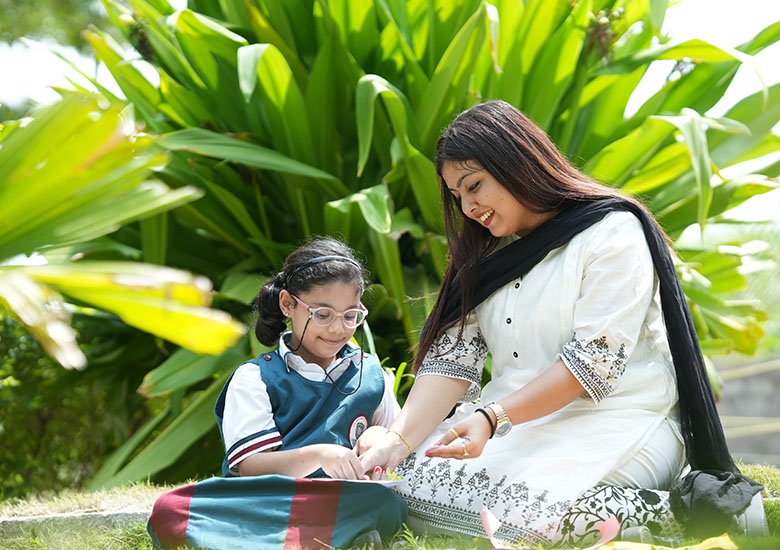
Naturalistic
One’s interdependent relationship with flora and fauna in the natural ecosystem around us can be explored through camping, nature walks, bird watching, nurturing, learning about species and exploring the environment. Through this, students understand that nature nurtures, and learn how to reduce, reuse and recycle, and live in harmony with nature.
04
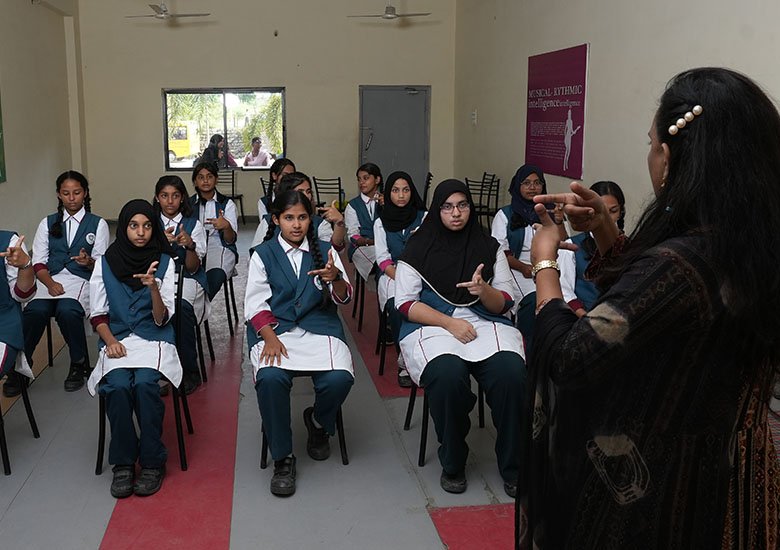
Intrapersonal
Self-reflection of one’s strengths and weaknesses is important as is being aware of one’s inner state of being. Evaluation of one’s thinking patterns and understanding one’s role in the world can be developed by meditation and development of personal skills.
05
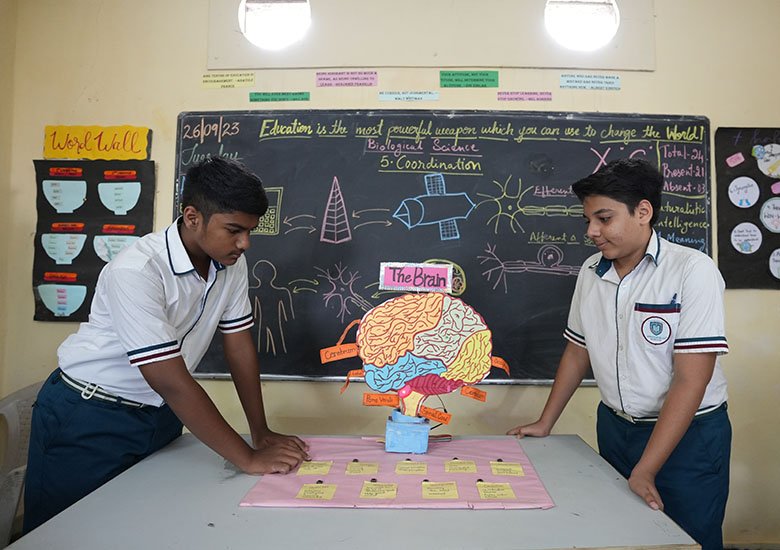
Visual Spatial
The visual arts expand creativity with exposure through photography, understanding charts and graphs, imagination, sketching, painting, creating visual metaphors and analogies, manipulating images, constructing, fixing, designing practical objects, interpreting visual images.
06
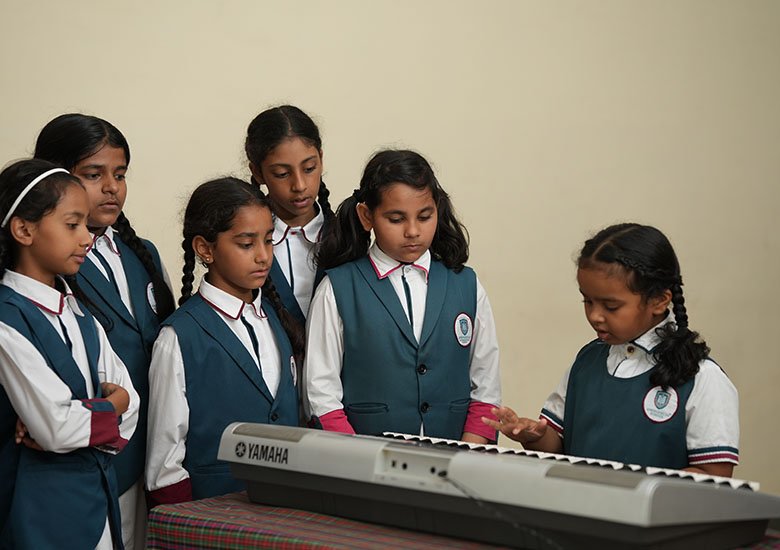
Musical
A ‘Rhythmic mind’ is developed by singing, whistling, playing musical instruments, recognizing tonal patterns, remembering melodies, understanding the structure and rhythm of both classical and contemporary music.
07
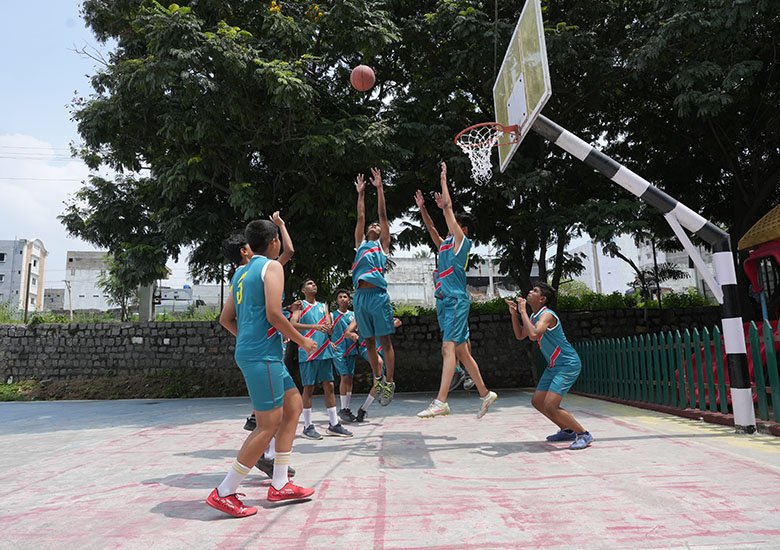
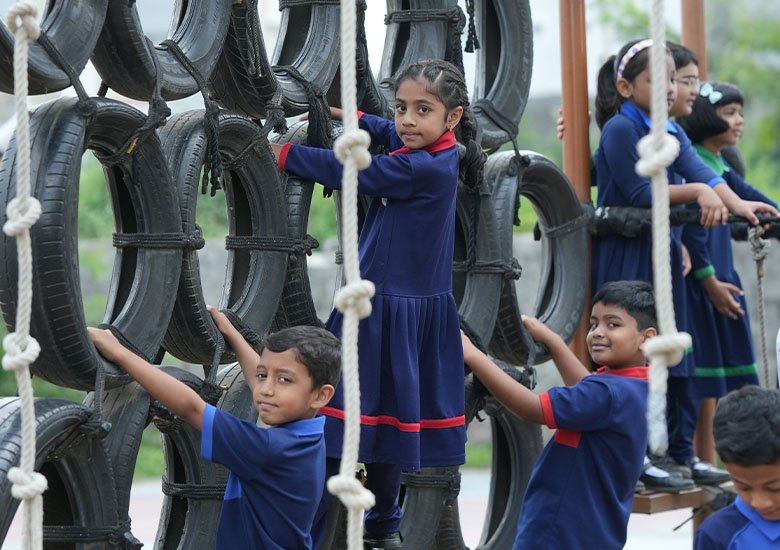
Bodily Kinesthetic
Beginning with the control of automatic and voluntary movement and progressing to using the body in highly differentiated ways – the skillful manipulation of one’s body or an object requires an acute sense of timing and direction, as well as the ability to transform an intention into action.
08
Interpersonal
Social intelligence is developed through group dynamics, using empathy, understanding other people’s moods and feelings, counselling, co-operating with groups, noticing people’s moods, motivations and intentions, peaceful conflict resolution and establishing positive relations with other people.
From learning to responsible choices
Explore how Respect, Responsibility and Cooperation connect with the school’s approach to the UN Sustainable Development Goals.
Explore RRC & UN SDGs →Questions parents ask
Which eight intelligences are explained here?
Verbal-linguistic, logical-mathematical, naturalistic, intrapersonal, visual-spatial, musical, bodily-kinesthetic and interpersonal.
How does Springfields bring variety into learning?
The school describes storytelling, problem solving, art, music, movement, role play, cooperative learning and reflection. Ask your child’s teacher how these activities connect with the current class topic.
Explore learning at Springfields
Curricula
Skill Development
Learning Curve
RRC & UN Sustainable Development Goals
Facilities & Infrastructure
Safety & Wellness
YOUR NEXT CHAPTER
Come and meet us.
Speak with your preferred branch to arrange a campus visit and discuss the right class for your child.
Find your branch →